






R&D AS A DRIVER FOR ACCELERATING INNOVATION
What is the role of R&D?
Research and Development (R&D) is the starting point of innovation. It is often seen as the phase where new ideas are explored, technologies are evaluated, and concepts are transformed into tangible solutions, but in practice, R&D is more than exploration. It plays a critical role in proactive risk assessment, validating feasibility, and building a clear path from concept to implementation. Without structured R&D, unexpected risks will slow down the innovation process, make the outcome unpredictable, and difficult to scale.
Effective R&D, however, accelerates innovation by combining technical expertise with a structural approach, allowing ideas to evolve into feasible and scalable solutions.
R&D at NiniX Technologies
At NiniX Technologies, the IATF 16949 quality management system (QMS) is an integral part of our R&D process when we support our clients in developing new products and technologies.
Where many projects begin with a concept or technical challenge, but without a clear path toward implementation, our approach focuses on rapidly exploring and validating possible solutions, while continuously integrating failure mode and effect analysis (FMEA) along a clearly defined milestone trajectory.
This includes:
- Exploring technical feasibility
- Evaluating different possible designs options
- Building prototypes to validate technical decisions
- Validate the end product for serial production
By doing so, we create clarity in the early stages of a project, allowing development to progress with a strong technical foundation.
From Exploration to Acceleration
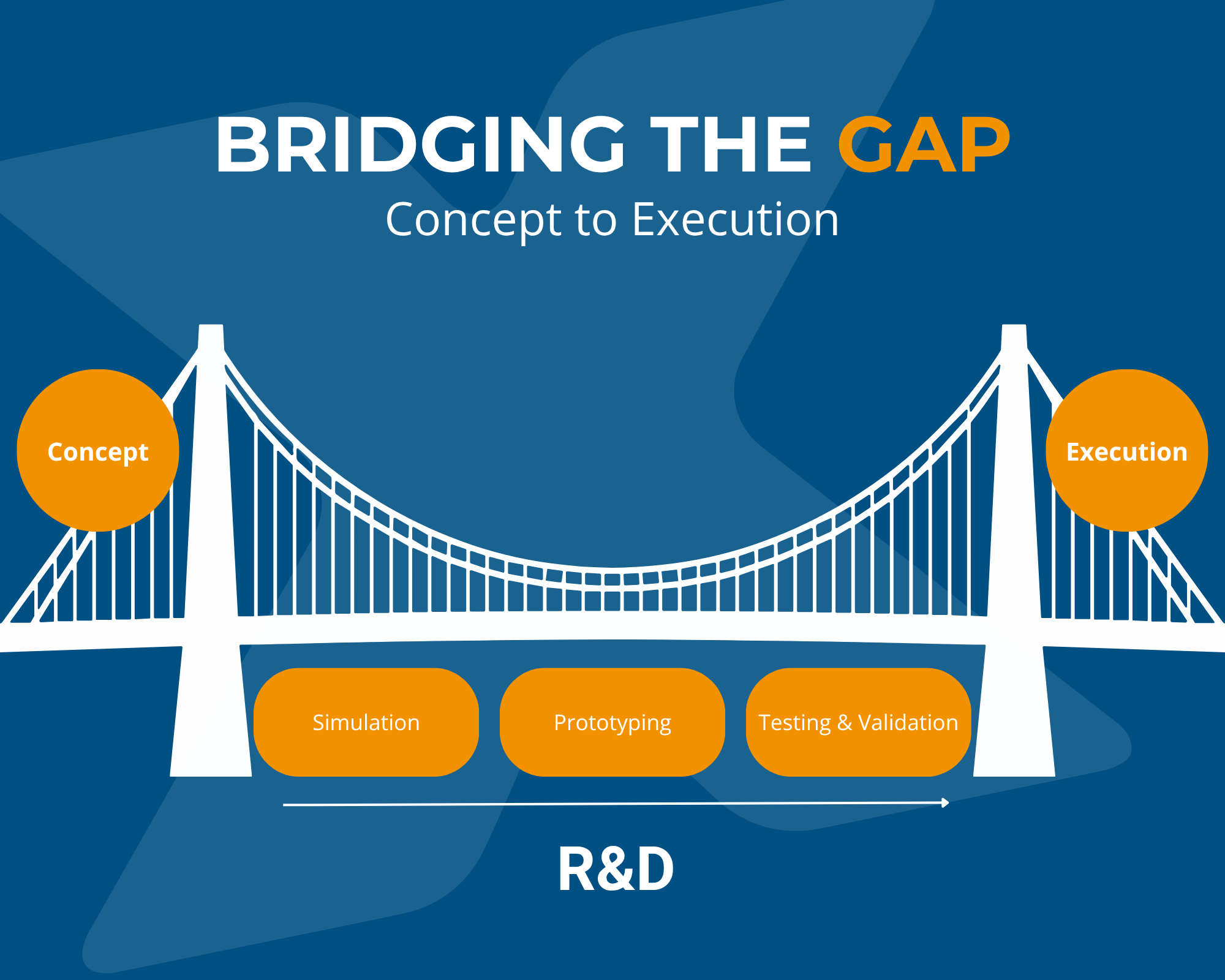
One of the main challenges in innovation is the gap between concept and execution. R&D bridges this gap through technical insight, simulations and testing & validation.
Via close collaboration with our customers and knowledge institutes, combined with our capacity for rapid prototyping, iterative testing, and continuous validation, we enable faster decision-making. Instead of long development cycles based on assumptions, we focus on learning early in the process and adapting quickly. This significantly reduces the risk of late-stage redesigns and allows projects to move forward more efficiently.
Integrating R&D with Development and Production
R&D does not operate in isolation. Accelerating innovation requires close alignment between product and process development, with a clear focus on future serial production.
This is why we have fully integrated our engineering teams, bringing together hardware, embedded software [see below], and production expertise within the same development environment. This ensures that the solutions explored during R&D are not only technically viable, but also manufacturable and scalable.
By linking R&D, product development and Design for Manufacturing [see below], we create a continuous flow from idea to product, bridging the gap between innovation and implementation.
Looking to acclerate your innovation?
The value of R&D lies in its ability to transform ideas into actionable, validated solutions. It provides the insight needed to make informed decisions, reduces technical risk, and accelerates the path to market.
Whether you are exploring a new product idea or facing technical uncertainty, a structured R&D approach can provide the clarity needed to move forward. At NiniX Technologies, we transform early-stage concepts into technically validated foundations for successful products.
If you’re looking to reduce uncertainty, validate your concept, and accelerate your innovation, we’re happy to support you.
Don't hesitate to get in touch with us via our contact page.

EMBEDDED SOFTWARE: CONNECTING HARDWARE TO REAL-WORLD SYSTEMS

What is Embedded Software?
Software enables systems to transfer an analog or digital signal to data, process this data, and communicate information in real time. Unlike traditional software applications, embedded software is designed for specific hardware platforms and operational environments. It often operates under strict constraints such as limited memory, real-time requirements, and demanding reliability standards.
In many modern systems, embedded software forms the crucial link between physical hardware and higher-level digital infrastructure. Sensors collect data, embedded software processes it, and communication interfaces transmit the results to other machines, cloud platforms or monitoring systems.
In short, embedded software transforms hardware from a passive component into an intelligent, connected system, making it the intelligence inside electronic devices.
Embedded Software at NiniX Technologies
At NiniX Technologies embedded software plays a central role in our solutions, as it forms the bridge between new hardware developments and our clients’ existing infrastructure.
Our embedded software solutions are therefore designed to perform several key functions:
- Measuring and Processing Data
The measured sensordata exists of physical parameters such as vibration, temperature, pressure, corrosion, etc. Embedded software handles the acquisition of this sensor data, ensures accurate signal processing, and prepares the information for further analysis, directly on the device. In some cases this includes filtering signals, detecting anomalies, or preparing datasets that can later be used for machine-learning or predictive maintenance applications. - Transmitting Data Reliably
Once data is captured and processed, it needs to be transferred to a platform on which it can be accessed. By enabling communication through a wide range of industrial protocols and technologies, we allow devices to integrate into machine architectures or monitoring platforms without disrupting established workflows. The most well-known communication protocols include wired communication such as RS485, CAN, and Ethernet, as well as wireless technologies like Bluetooth (or BLE) and Wi-Fi. Through our strong partnership with knowledge centers like imec, we’re even able to set up proprietary communication networks, covering more strict environments and requirements. - Integrating with Existing Platforms
In many products, the goal is not just to collect data but to integrate that data into the systems that clients already rely on. At NiniX, we specifically develop embedded software so that it can connect directly to cloud platforms such as Microsoft Azure, as well as to client-specific frameworks already implemented in their machines or operational infrastructure.
By processing data directly on the device, we enable efficient and reliable monitoring even in demanding environments. While designing software, we ensure that new hardware solutions become a seamless extension of existing systems rather than an isolated device.
Enabling Control Through Client Frameworks
At NiniX Technologies, using embedded software does more than collect and transmit data. In many applications, the devices are also designed to execute actions.
By integrating with the frameworks for machines or automation processes, our embedded devices can perform specific operational functions such as controlling motors, actuating mechanical components or triggering automated processes based on measured parameters or commands.
The Bridge Between Hardware and Infrastructure
When developing new products, hardware development and software development cannot be treated as separate disciplines. Sensors, electronics, communication protocols and backend platforms must work together as one integrated system.
At NiniX Technologies, embedded software is developed alongside our hardware from the start of the project. This close integration ensures optimal performance, reliable communication and smooth integration into the client’s operational environment.
The result is more than just a product, it is a connected system capable of generating insight, supporting decision-making, and enabling smarter operations.
Looking to Develop an Embedded System?
Whether you need a device that measures complex parameters, communicates with industrial networks or integrates seamlessly with existing cloud platforms, embedded software will play a critical role.
If you are exploring how embedded systems could support your product or infrastructure, the team at NiniX Technologies is ready to support, from concept and development to full system integration.
Don't hesitate to get in touch with us via our contact page.
STRUCTURAL HEALTH MONITORING : FROM DATA TO INSIGHT
What is Structural Health Monitoring?
Structural Health Monitoring (SHM) is a systematic methodology for the assessment of the real-time condition of a structure through the use of embedded sensing technologies. By continuously monitoring critical system parameters, process engineers gain insights into how structures or components behave over time and under real operating conditions.
Once baseline behaviour is established, SHM focusses on detection deviation from these reference values. Early identification of anomalies enables the anticipation of degradation, the prevention of failures, and the optimization of maintenance strategies before issues escalate.
SHM at NiniX Technologies
At NiniX Technologies, Structural Health Monitoring goes beyond theory. It’s real-world engineering that provides continuous insight into the condition of critical structures, even in the most challenging environments. In close collaboration with our customers, we identify the key process parameters and develop tailored and robust monitoring solutions, which are designed to operate in harsh conditions and ensure optimal performance and long-term reliability.
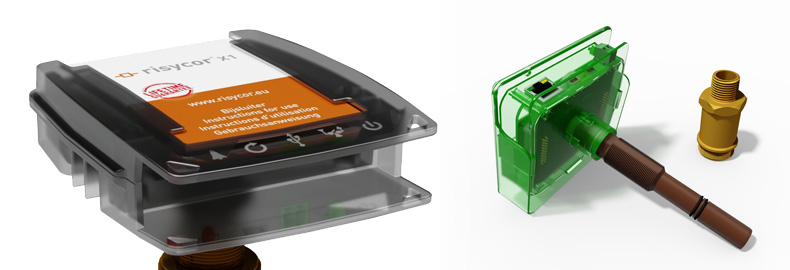
One of our real-life examples with SHM, we are active in corrosion monitoring via our collaboration with Resus. In this project, we co-developed the Risycor sensor, an advanced corrosion-monitoring device for industrial HVAC installations. The Risycor continuously measures corrosion levels in the piping sytem, enabling early detection to prevent material degradation. By providing actionable insight into the system’s integrity, the solution allows operators to anticipate costly replacements and schedule maintenance proactively instead of reactively.
Another field of application of SHM at Ninix Technologies is the development of a customized monitoring system for large agricultural machines. In this project, we designed a solution based on combined vibration and temperature monitoring in critical rotating components. The system enables our customer to early on detect imbalances, misalignments, or early-stage wear, which is particularly important for machines to be operating in remote locations during high season.
By capturing and structuring this data, we enable the client to apply machine learning techniques for predictive maintenance. Instead of facing unexpected breakdowns during peak operational periods, they can intervene early, plan the downtime for revision and avoiding significant repair costs. The financial impact of preventing a single major failure in such environments can be substantial, in some cases saving up to millions of euro’s in maintenance and operational losses.
From Measurement to Intelligence
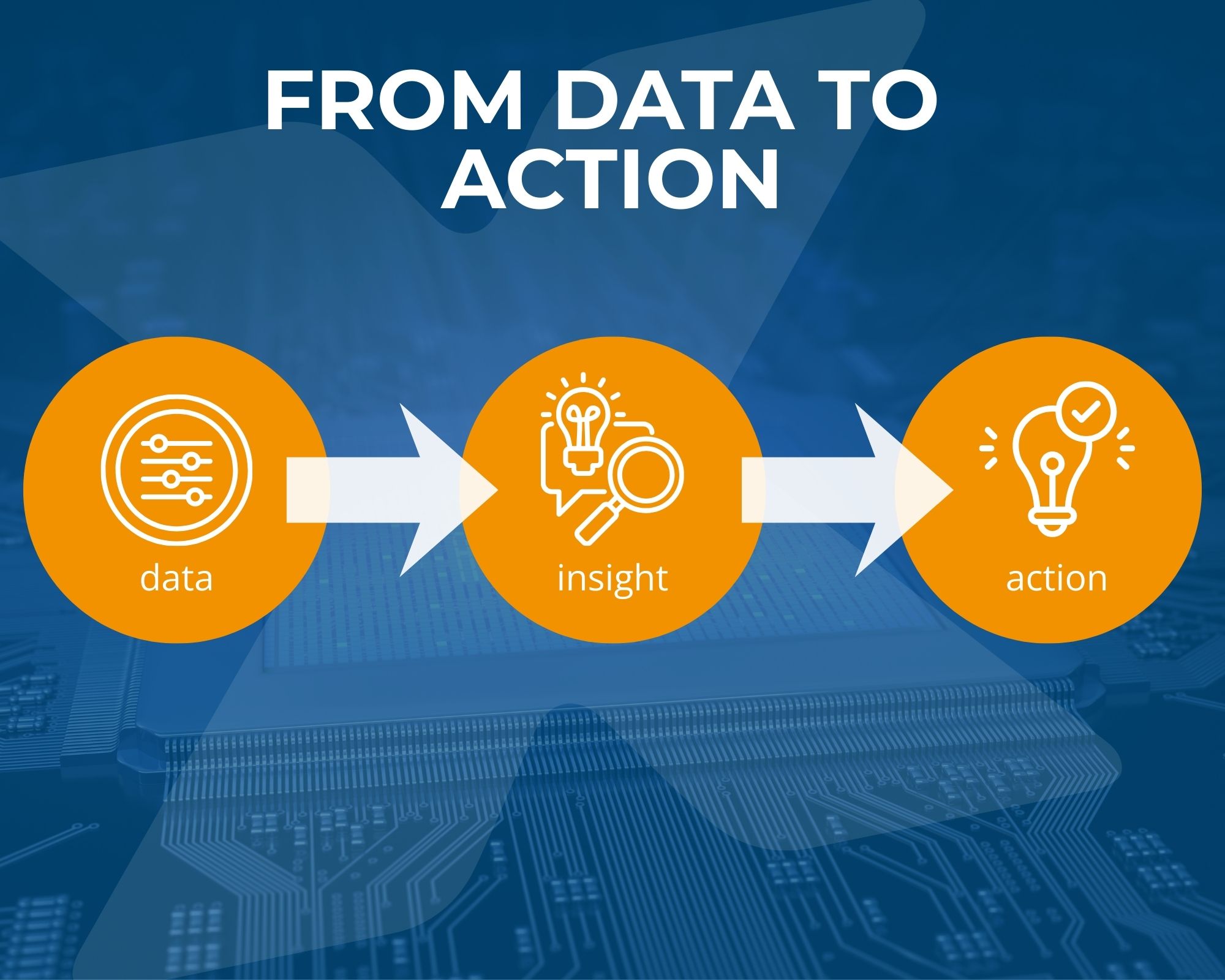
SHM only delivers value when raw sensor data is transformed into meaningful insight. At NiniX Technologies, we integrate sensing, embedded electronics, data processing, and system architecture into a cohesive solution. Whether deployed in harsh environment infrastructure or heavy duty machinery, our SHM systems are designed for reliabe, scalabe, and long-term operation. By combining robust hardware with intelligent data interpretation, SHM becomes more than monitoring, it becomes a strategic tool for lifecycle optimisation, safety enhancement, and cost control.
Structural Health Monitoring for your products?
Every structure or application has its own challenges. Whether you are dealing with corrosion, vibration, thermal stress, or long-term fatigue, SHM can provide clarity and control of your processes.
If you are exploring how SHM could strengthen the reliability of your processes by enabling predictive maintenance in your field? NiniX Technologies is ready to support you - from concept and development to deployment.

Don't hesitate to get in touch with us via our contact page.
DESIGN FOR MANUFACTURING
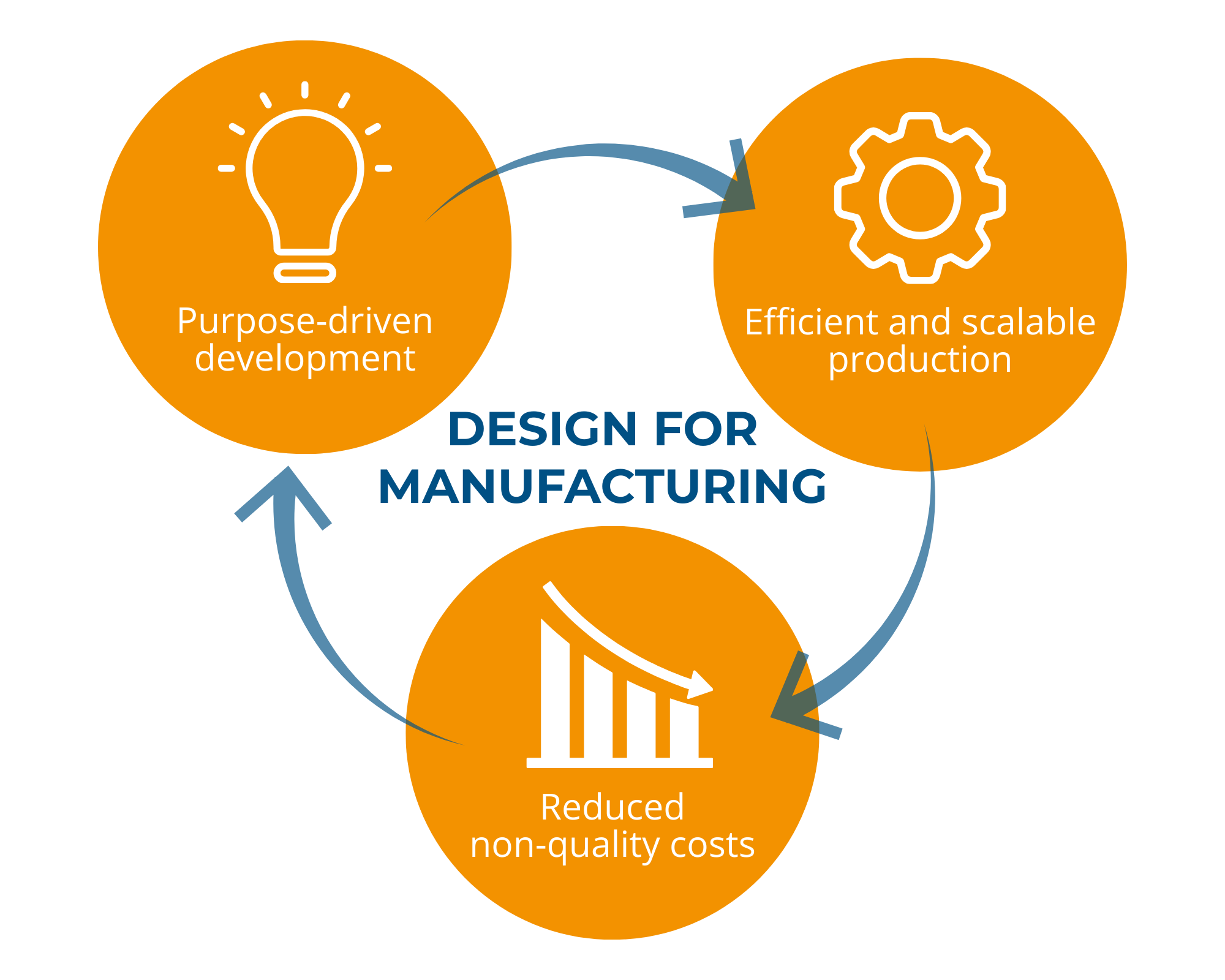
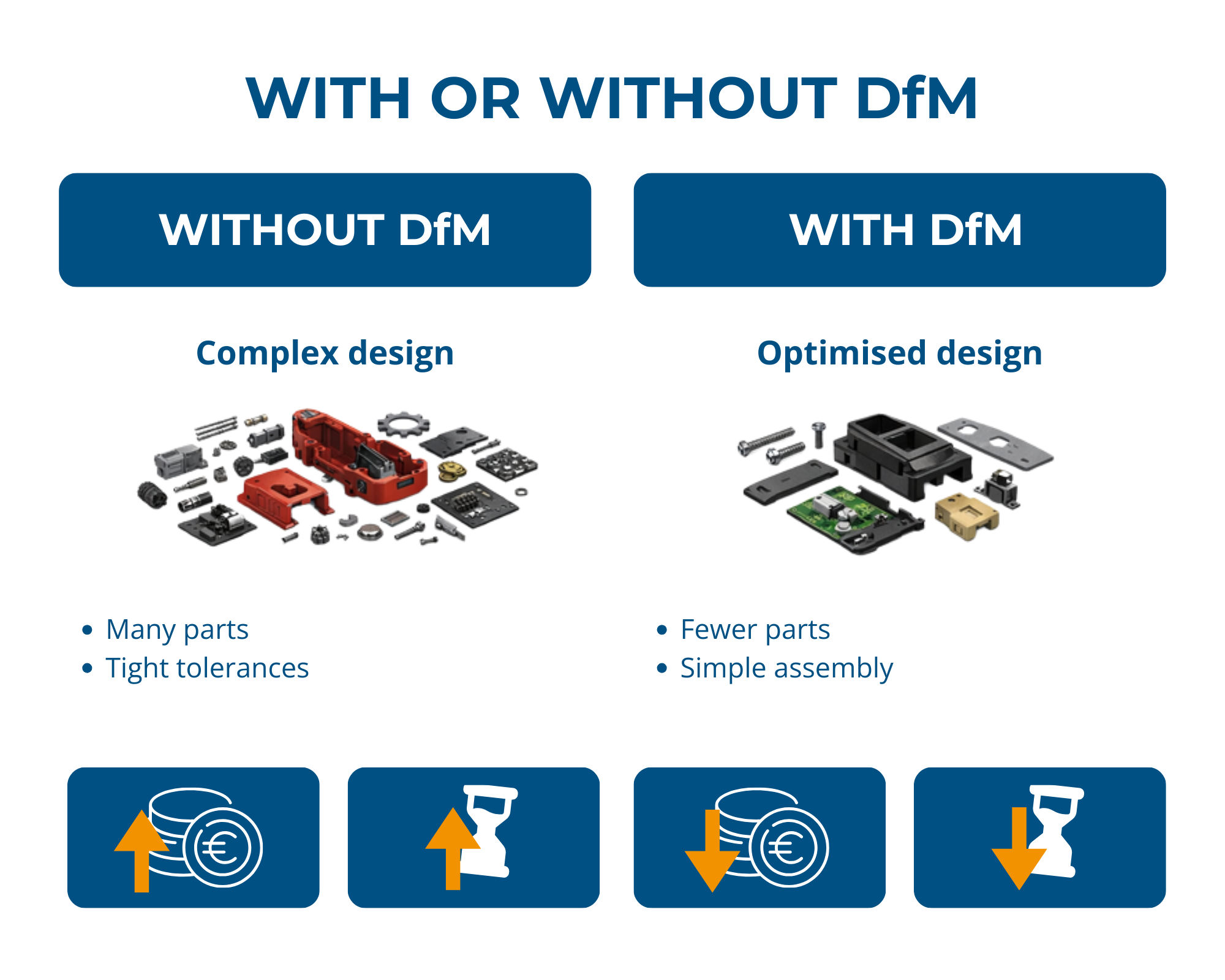
Design for Manufacturing (DfM) is a structured methodology that we adapt at NiniX Technologies from the very first concept in every product development project. Together with our clients, we establish clear expectations and align the product requirements with the estimated production volumes, cost targets and time-to-market goals.
Design for Manufacturing is part of a broader Design for Excellence (DfX) approach. It ensures that a product is not only functional, but also manufacturable, scalable and economically viable. Every decision in the product design is therefore evaluated for its impact on, testing and long-term reliability.
Using innovation control tools such as Design Failure Mode and Effects Analysis (DFMEA) and Process Failure Mode and Effects Analysis (PFMEA) allows us to systematically identify potential risks, failure modes, and inefficiencies in the first stages of the project. This structured approach lets us identify potential issues before they reach production, which significantly reduces redesign, delays, and unforeseen costs.
A key strength at NiniX Technologies is our in-house automation and machine-building division. The practical knowledge and experience with assembly line systems is directly integrated into our product development process. By involving automation specialists early in the project, we can validate design choices against real manufacturing constraints and opportunities. This enables smarter designs and optimized production processes that allow faster ramp-up.
DfM is inherently collaborative. Therefore, we also involve key suppliers early in the process to align component selection and availability. In parallel, we also validate the mechanical design through rapid in-house prototyping. This early alignment of assembly and manufacturability reduces late-stage changes and supports a smooth transition from prototyping towards production.
Our role as product developer thus often extends beyond engineering execution. Many clients come to us with a product idea, but without a clear roadmap to efficient manufacturing. By combining DfM, Innovation Control, automation expertise, and supplier collaboration, we provide guidance that bridges the gap between concept and scalable manufacturing.
“Our clients often know what they want to build, but not yet the most efficient way to manufacture it. That’s where NiniX Technologies adds value: by setting clear specifications, guiding the process, and enabling an efficient and scalable production flow.”
Harold Haspeslagh, Former innovation Director at NiniX Technologies
For our clients, DfM means predictable outcomes: controlled costs, reliable quality, and a smooth transition from product development to market. This is how we ensure that innovation does not stop at a prototype but continues all the way to commercialization.
At NiniX Technologies we don’t just design products, we turn engineering into efficient and scalable production.
Don't hesitate to get in touch with us via our contact page.